

12 Dec How to Implement a Shoe-Cover Protocol on Construction Sites
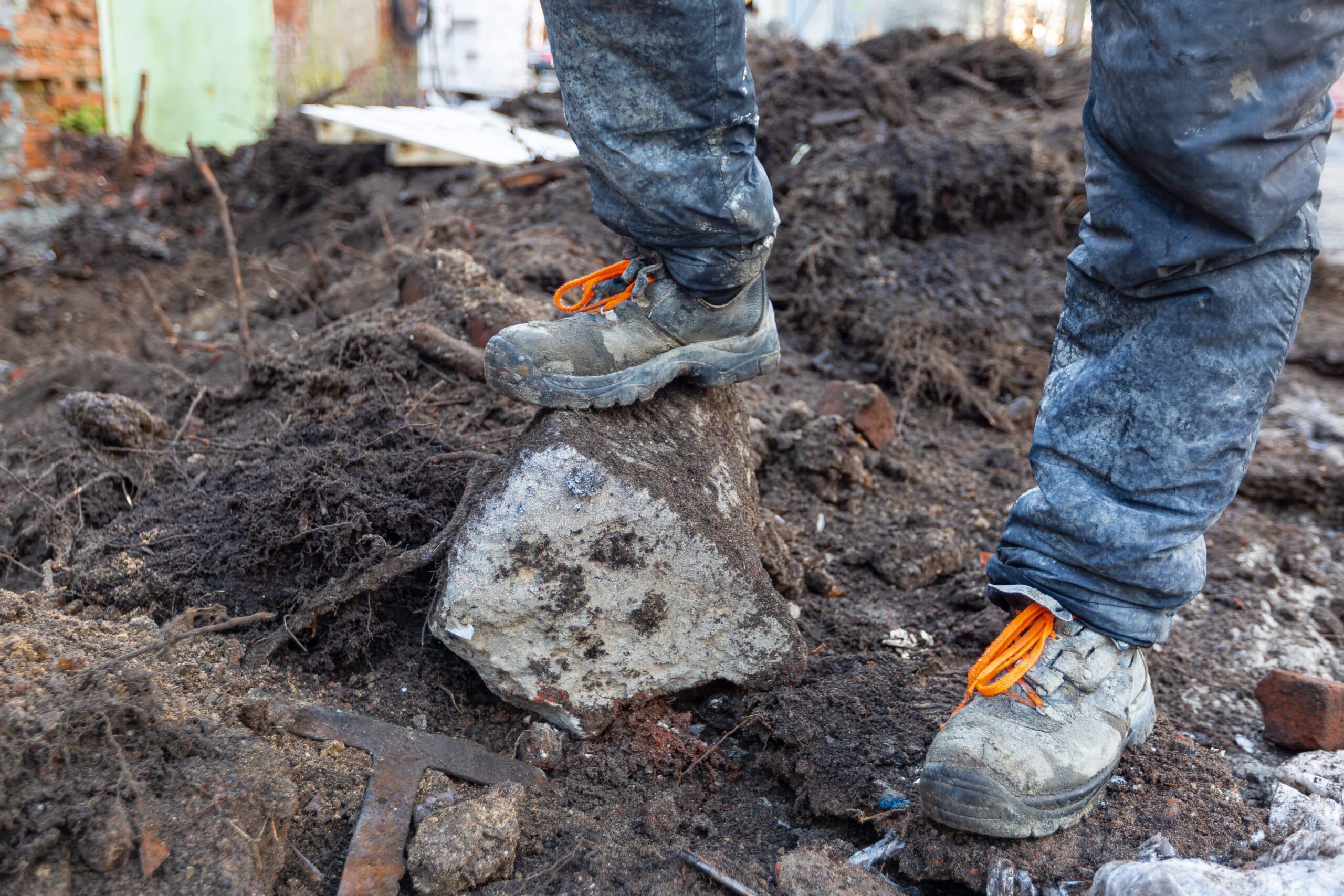
Dust, dirt, mud, adhesives, chemical residue, and other debris are part of daily life on a construction site. But once workers step from outdoor or rough-in areas into finished rooms, those contaminants instantly become a risk that can damage flooring, stain carpets, compromise paint adhesion, and lead to costly fixes.
A shoe-cover protocol is one of the simplest, most affordable ways to protect clients’ homes or facilities, uphold a reputation for construction site cleanliness, and reduce preventable rework. In this guide, we’ll explain why construction teams need a shoe-cover system, how to establish one, and practical tips to maintain consistent crew compliance.
Why Construction Sites Need a Shoe-Cover Protocol
Cleanliness may not be the first thing people associate with construction, but today’s clients (especially those constructing buildings for sensitive machines, like data centers) expect contractors to treat their property with care. Beyond client expectations, various industries and projects include environmental standards or regulatory requirements for contamination control, particularly in healthcare, education, sterile environments, and government facilities. A well-designed shoe-cover protocol helps construction teams meet these expectations without slowing down productivity.
Reduced Contamination, Fewer Mistakes & Less Rework
Every time a worker enters a finished space, they bring in whatever was on the ground: grit, drywall dust, road salt, landscaping debris, oils, or construction chemicals. These contaminants can cause:
- Scratches on new hardwood or tile
- Ground-in stains on carpet
- Paint adhesion issues when particles settle on fresh coats
- Surface damage that requires patching, sanding, or replacement
Even one incident can derail a project schedule. Rework means additional labor, more material costs, and the possibility of missed deadlines, especially if subcontractors must revisit the job.
Shoe covers act as a barrier, keeping contaminants contained at the source and dramatically reducing cleanup needs and callbacks. Fewer messes and fewer repair cycles directly contribute to higher margins and smoother timelines.
Professionalism & Customer Trust
Clients immediately notice when crews follow clean-entry practices. It sends a clear message: “We respect this space and take this project seriously.”
A simple step like putting on shoe covers before entering a finished area builds confidence, reinforces professionalism, supports positive reviews, and increases the likelihood of repeat business.
Compliance With Clean-Site Standards
Many industry guidelines recommend contamination-control measures during construction. Shoe-cover protocols are fundamental during:
- Interior remodels
- Clean-room–adjacent construction
- Server Rooms
- Healthcare, laboratory, or educational facility work
- Occupied home renovations
- Final phases where materials are newly installed and vulnerable
A consistent protocol helps teams protect their work and stay aligned with established best practices.
Step-by-Step: How to Implement a Shoe-Cover Protocol
Implementing a protocol is simple, inexpensive, and requires minimal training. Here’s how to create one that works from the start.
Step 1: Assess High-Traffic and High-Risk Zones
Before work begins, walk the job site and identify the areas with the highest contamination risk. These typically include:
- Rooms with finished flooring
- Carpeted spaces
- Kitchens and bathrooms are nearing completion
- Client entry points
- Sensitive equipment rooms
- Any indoor areas connected to outdoor work zones
Mapping these zones and labeling them with “Shoe Covers Required Beyond This Point” helps eliminate confusion and sets clear expectations for all trades.
Step 2: Choose the Right Shoe Covers for the Job
Not all shoe covers are created equal. Construction environments need options that resist tearing, stay in place, and offer slip resistance. Heavy-duty, waterproof, or anti-slip versions are ideal for high-demand work.
Look for features such as:
- Reinforced seams
- Non-skid soles
- Waterproof linings
- Stretch-fit openings that fit over bulky boots
The right materials dramatically reduce tear rates, which, in turn, improve crew compliance and keep the site cleaner. You can explore durable, job-ready options from Shoe Cover Magic to equip your team with protection that withstands daily use.
Step 3: Install Convenient Shoe-Cover Stations
Convenience is key to consistent use. Place stations at every entry point into finished or sensitive areas. They should be easy to see, easy to reach, and easy to use.
Hands-free dispensers let workers slip on covers in seconds without bending or slowing workflow. This minor upgrade significantly increases adoption across crews and subcontractors.
Enhance stations with clear signage, such as:
- “Shoe Covers Required Beyond This Point”
- “Clean Zone—Protect the Finish”
- Directional arrows guiding workers to dispensers
Step 4: Train Crew Members and Subcontractors
A shoe-cover protocol only works when everyone understands the expectations. Include a quick overview during onboarding or toolbox talks:
- Why shoe covers matter
- Where they’re required
- How to use dispensers
- When to replace worn or torn covers
- Expectations for subcontractors and rotating trades
Leadership consistency is essential. If supervisors don’t follow the protocol, the rest of the team won’t either.
Step 5: Monitor, Restock & Enforce the Protocol
Even simple systems need upkeep:
- Conduct periodic spot checks
- Restock stations before supplies run low
- Monitor usage to forecast needs for longer projects
- Gather feedback on station placement or cover durability
When workers feel heard and supported, the protocol becomes part of the daily workflow rather than another task.
Tips for Encouraging Team Buy-In
Crew adoption increases dramatically when the process is straightforward and convenient.
Use Visual Reminders
Door signs, floor decals, barrier tape, and “clean zone” branding reinforce expectations. Clear visual cues are especially effective in busy, constantly evolving job-site environments.
Make Compliance Easy
The easier the process, the better the adoption. Multiple stations and hands-free shoe cover dispensers make grabbing a new pair quick and hassle-free, reducing excuses and improving consistency.
Reinforce Benefits
Help crews understand how shoe covers support their work:
- Reduced rework
- Fewer delays
- Increased client satisfaction
- Stronger project outcomes and margins
When workers see the practical benefits, buy-in happens naturally.
Common Questions About Construction Site Shoe-Cover Protocols
Can shoe covers help reduce rework on construction sites?
Yes. Shoe covers prevent dirt, mud, chemicals, and debris from entering finished areas. By reducing contamination, they help avoid stains, scratches, and adhesion issues—significantly decreasing the need for rework.
How often should workers change their shoe covers?
Shoe covers should be replaced whenever they become torn, heavily soiled, or after leaving a messy outdoor area. For most sites, using one pair per entry into a clean zone is the safest approach.
Where should shoe-cover stations be placed?
Stations should be installed at every transition point between rough construction areas and finished or sensitive spaces, including doorways, stairwells, hallways, and client entry points.
Are reusable or disposable shoe covers better for construction work?
Disposable shoe covers are typically best for construction because they maintain consistent cleanliness, reduce contamination risks, and prevent dirt from being transported to vehicles or other jobsites. Reusable options may work in low-mess environments but require regular laundering.
Reduce Rework with Shoe Cover Magic’s Hands-free Dispensers & Durable Shoe Covers
Implementing a shoe-cover protocol is one of the easiest ways to maintain job-site cleanliness, impress clients, and avoid preventable rework. Shoe Cover Magic makes the process seamless with durable contractor-grade shoe covers, hands-free dispensers, and refill systems built for busy construction environments.
We also offer bulk orders and free samples of select shoe covers so you can test what works best for your team.
If you’re ready to streamline your clean-entry process, protect finished spaces, and elevate your job-site professionalism, Shoe Cover Magic is here to help. Contact us today for a customized quote.

Sorry, the comment form is closed at this time.