
20 Apr Preventing Slip & Fall Injuries: Why Anti-Skid Shoe Covers Matter
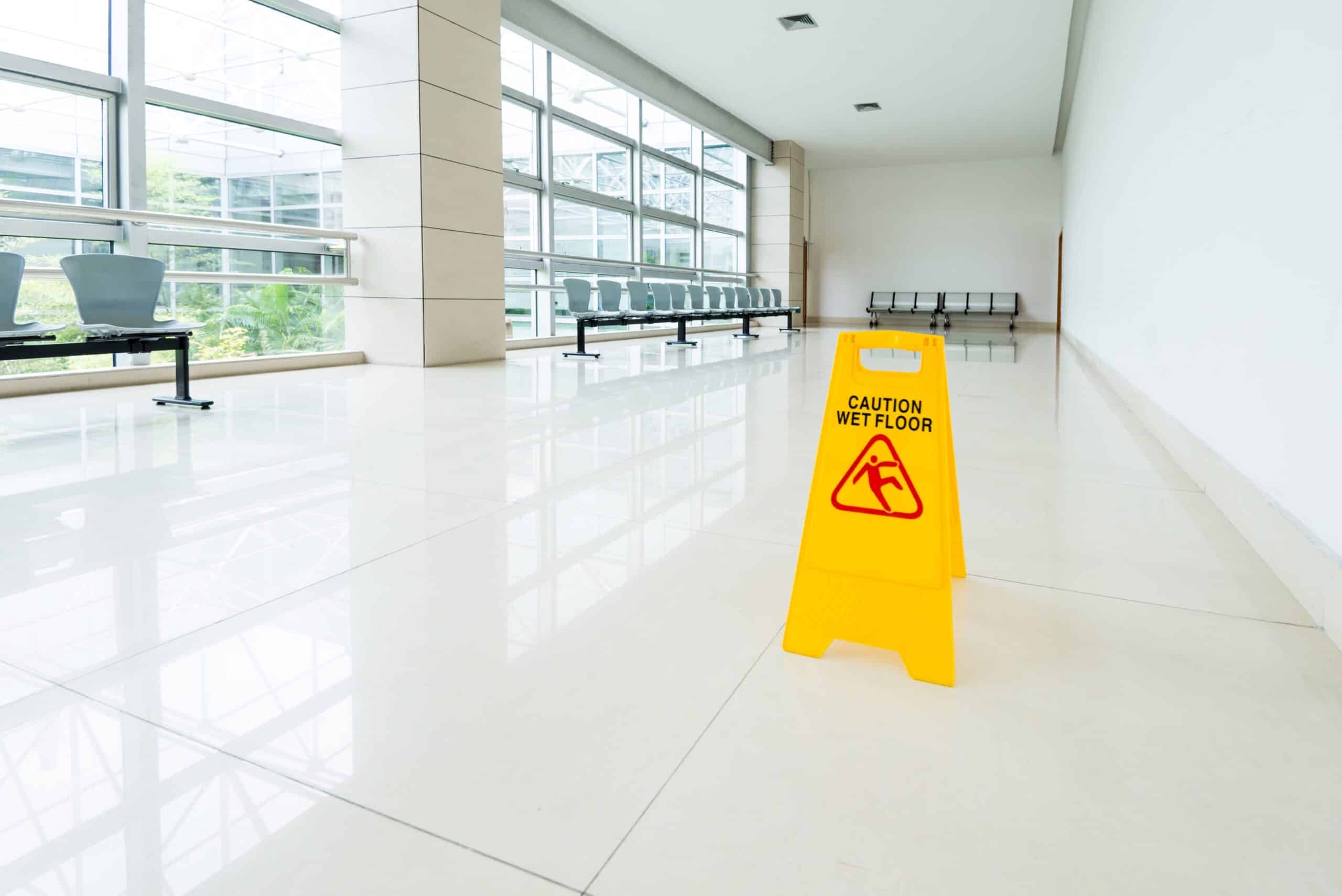
Falls, slips, and trips are a leading cause of workplace injuries across all major sectors. Healthcare, construction, food service, manufacturing, and other environments where wet surfaces, spills, oils, and debris create constant underfoot hazards are at the greatest risk. But slips can happen anywhere employees are on their feet. According to the National Safety Council, 844 workers died due to falls in 2024, accounting for 17% of all workplace fatalities. That same year, nearly 480,000 workers were injured seriously enough to require days away from work.
Beyond the injuries, the financial and legal consequences of slip-and-fall incidents can be staggering. Workers’ compensation claims for falls average over $54,000 per incident, and that figure doesn’t account for indirect costs such as lost productivity, staffing disruptions, training replacements, and elevated insurance premiums.
One straightforward, cost-effective layer of protection is to implement anti-skid shoe covers. These slip-resistant covers fit over existing footwear to dramatically improve traction on slick, wet, or otherwise hazardous surfaces, making them a practical first line of defense for any environment where slip risk is a concern.
The Real Impact of Slip & Fall Injuries in the Workplace
The scale of workplace slip-and-fall injuries has real consequences for real people and the organizations they work for. Understanding where these incidents most often occur and why is the first step toward reducing them.
High-Risk Environments for Slip Hazards
Certain workplaces carry a disproportionately high risk of slip-and-fall incidents due to the nature of the work and the conditions the employees face every day:
- Healthcare: Wet floors from cleaning, sanitation protocols, and patient care create persistent slip hazards in hospitals, clinics, and long-term care facilities. Nurses and aides often move quickly across freshly cleaned hard floors, increasing exposure.
- Construction: Dust, loose debris, uneven surfaces, and outdoor weather conditions combine to make job sites especially treacherous.
- Food Service: Kitchens are ground zero for grease and liquid spills. Even with regular cleaning, floors in commercial kitchens can remain slick throughout a shift, and the pace of work leaves little time to pause and address every hazard.
- Manufacturing: Oils, coolants, and industrial fluids routinely accumulate on shop floors. Workers moving between stations or operating heavy equipment on these surfaces face a consistent risk of slipping.
How Anti-Skid Shoe Covers Help Prevent Injuries
When the friction between a shoe and the floor drops below a certain threshold, the foot can no longer maintain its grip. Wet surfaces, oily residue, and smooth floor materials all reduce that friction, and that is where anti-skid shoe covers come in.
Slip-resistant shoe covers feature textured or rubberized soles that maximize contact area between footwear and the floor. This increased traction helps distribute weight more evenly and reduces the likelihood of a sudden loss of footing, even on tile, sealed concrete, or epoxy surfaces.
Compared to standard shoe covers, which are designed primarily for contamination control, or workers wearing unprotected footwear, anti-skid shoe covers add a meaningful, measurable layer of protection without requiring employees to change their existing footwear.
Enhancing Traction on Hazardous Surfaces
Anti-skid shoe covers are particularly effective on the surfaces most likely to cause slips:
- Wet floors: Whether from mopping, spills, or condensation, slip-resistant covers maintain grip where standard soles lose traction.
- Smooth tile and polished concrete: Common in healthcare and commercial facilities, these surfaces become especially dangerous when wet. The textured soles of anti-skid covers compensate for the lack of surface friction.
- Epoxy-coated floors: Common in manufacturing and industrial settings, epoxy floors are durable but notoriously slick when contaminated with oils or fluids.
Consider a maintenance technician walking through a recently mopped hospital corridor, or a line cook navigating a commercial kitchen mid-rush. In both cases, the difference between a safe step and a slip may come down to what’s on the bottom of their shoes.
Reducing Liability for Employers
Beyond worker safety, slip and fall incidents carry serious consequences for employers. According to the National Council on Compensation Insurance, slip-and-fall claims average over $54,000 in workers’ compensation costs before factoring in the indirect costs that often multiply the bill.
Providing non-slip shoe covers demonstrates proactive safety management, which can be a meaningful factor if a claim or OSHA inspection arises. Employers who document their PPE programs, including the use of non-skid shoe covers, are better positioned to show they took reasonable precautions, which is an important consideration when liability is evaluated.
Fewer incidents also mean fewer claims, lower workers’ comp premiums over time, and reduced disruptions to operations. When a simple, affordable solution can prevent a costly claim or even a fatality, the ROI is clear.
How Shoe Covers Support OSHA Compliance
OSHA requires employers to protect workers from recognized workplace hazards, including slippery or wet walking surfaces. Under 29 CFR 1910.136, employers must ensure that protective footwear is used whenever there is a danger of slipping on slick or wet surfaces that could cause injury.
Anti-skid shoe covers can serve as a practical component of that compliance strategy, especially in environments where changing out standard footwear is impractical or cost-prohibitive. When integrated into a broader PPE program, slip-resistant shoe covers help employers:
- Mitigate recognized slip hazards in real time, particularly in high-traffic or variable conditions.
- Demonstrate a documented safety posture when records are reviewed during an OSHA inspection.
- Provide a scalable, cost-effective PPE option that can be deployed quickly across large teams or in response to changing floor conditions.
It’s worth noting that OSHA’s fall protection standard has topped the list of most-cited violations for 15 consecutive years. While footwear alone doesn’t address every fall hazard, it is a foundational component of a well-rounded safety program. Anti-skid shoe covers make it easier to meet the standard and demonstrate that effort.
Choosing the Right Anti-Skid Shoe Covers for Your Industry
Not all slip-resistant shoe covers are created equal. The right choice depends on the specific hazards in your environment, how frequently they’ll be used, and your workforce’s needs.
Factors to Consider
- Level of slip resistance needed: Environments with frequent liquid spills or oil contamination require more aggressive grip patterns than those with occasional wet floors.
- Environment type: Wet healthcare corridors, greasy kitchen floors, sterile cleanrooms, and dusty construction sites each call for different materials and sole characteristics.
- Frequency of use: For high-turnover environments or single-use applications, disposable anti-skid covers are practical and hygienic. For ongoing, repeated use, durable reusable options offer better long-term value.
- Comfort and fit: Covers that are difficult to put on or don’t stay in place create their own hazards. Look for options that fit securely over a range of footwear sizes and styles.
Industry-Specific Recommendations
- Healthcare: Prioritize covers that combine traction with hygiene, ideally disposable or easy-to-sanitize options that can be changed between patient rooms or environments. Offering greater traction on smooth tile is essential.
- Construction: Look for durable covers with aggressive tread patterns that can handle debris, dust, and uneven terrain without wearing down quickly.
- Food service: Choose covers with grease-resistant soles specifically designed for kitchen environments, where standard rubber soles may still lose grip on oily surfaces.
- Cleanrooms: In pharmaceutical, semiconductor, or laboratory settings, contamination control and safety are paramount. Anti-skid cleanroom shoe covers provide both without compromising sterility protocols.
Common Questions About Anti-Skid Shoe Covers
Do anti-skid shoe covers really prevent slips?
Yes. Slip-resistant shoe covers are designed with textured or rubberized soles that increase friction between footwear and the floor. Research and real-world use have shown that slip-resistant footwear significantly reduces the risk of slips on wet or contaminated surfaces compared with standard footwear or unprotected shoes.
Are anti-skid shoe covers OSHA compliant?
Anti-skid shoe covers can be part of an OSHA-compliant footwear protection strategy. Under 29 CFR 1910.136, employers must provide protective footwear where slip hazards exist. When selected for the right environment and documented as part of a formal PPE program, slip-resistant shoe covers help meet this requirement.
Can they be used in all industries?
Anti-skid shoe covers are versatile enough for most industries, including healthcare, food service, construction, manufacturing, and cleanroom environments. The key is selecting a cover designed for your specific floor type and hazard profile. For example, grip requirements for a greasy kitchen floor differ from those needed in a sterile medical suite.
Are disposable or reusable covers better?
It depends on your environment and usage frequency. Disposable anti-skid covers are ideal for healthcare, food service, or cleanroom settings where hygiene and single-use protocols matter. Reusable covers are better suited for longer-term applications in construction or manufacturing, where durability over repeated use offers greater cost efficiency.
Protect Your Team Today
Slip and fall accidents are one of the most preventable sources of workplace injury, yet they remain one of the most costly. Shoe Cover Magic offers a range of anti-skid shoe covers designed for environments where the risk of slipping is highest. Whether you’re protecting a healthcare team, a construction crew, or a commercial kitchen staff, the right cover can mean the difference between a safe shift and a workers’ comp claim.
Ready to reduce workplace injuries and protect your team? Contact Shoe Cover Magic today to request a free sample or get a quote on slip-resistant shoe covers for your facility.

Sorry, the comment form is closed at this time.