
27 May Contamination Control: What’s on the Bottom of Your Shoe?
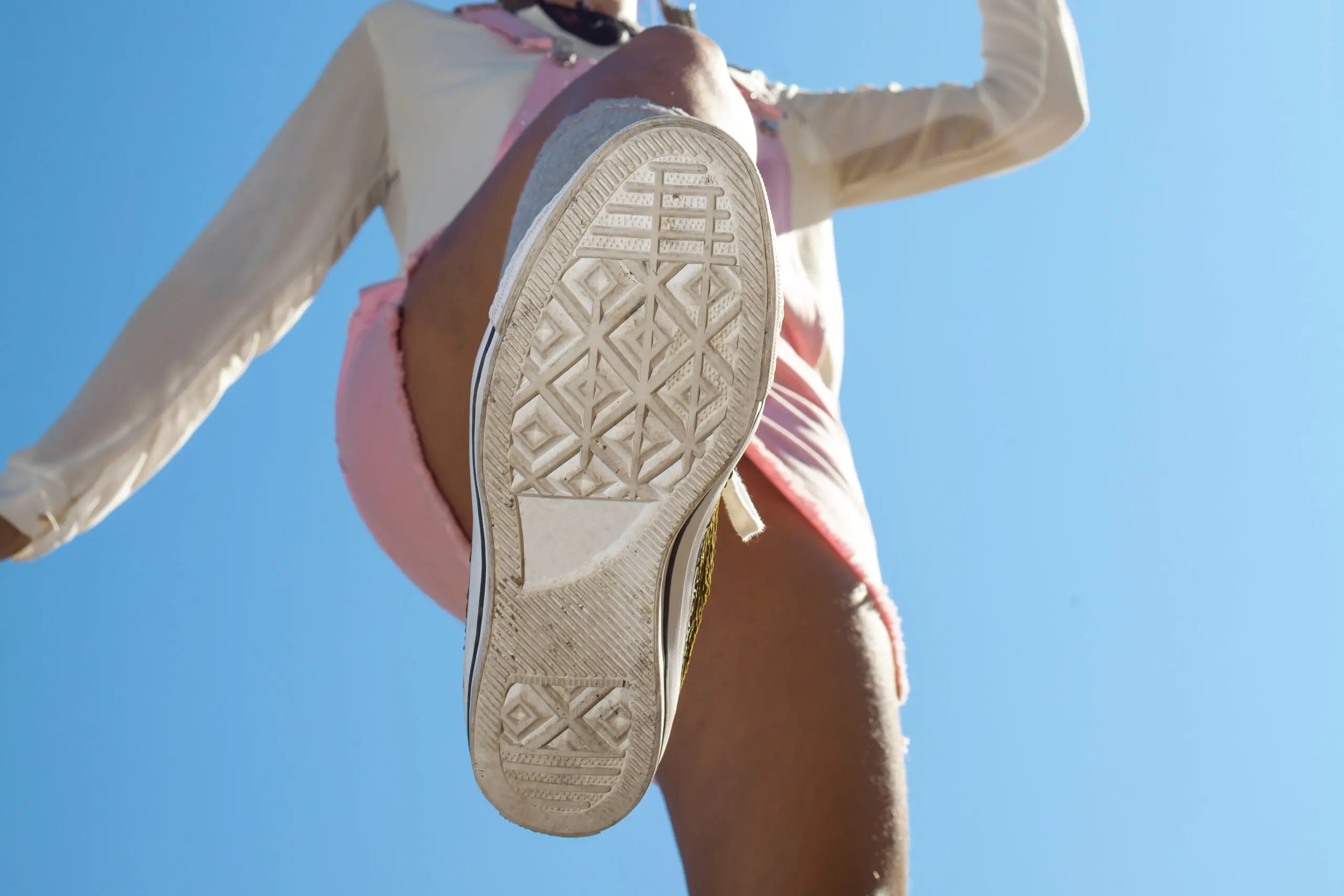
Your shoes go everywhere with you, through public restrooms, along city sidewalks, across hospital waiting rooms, and into the most sensitive spaces in your home and workplace. But most people never stop to think about what’s hitching a ride on the bottom of those shoes. The answer, according to a growing body of scientific research, is deeply unsettling: millions of bacteria, harmful pathogens, chemical residues, and microscopic contaminants that transfer easily from your shoe soles to every surface you walk across.
Shoe contamination is one of the most overlooked vectors for spreading germs indoors. Whether you’re a homeowner, healthcare worker, contractor, or real estate professional, understanding what your shoes carry and how quickly it spreads is the first step toward protecting the spaces you care about. Shoe covers offer a fast, affordable, and practical solution to this microscopic problem.
What’s Really Living on the Bottom of Your Shoes?
Types of Contaminants Found on Shoes
Shoe contamination isn’t just about visible dirt. Most of what shoes carry is invisible to the naked eye, and that’s precisely what makes it so dangerous. Research has consistently identified several categories of contaminants clinging to shoe soles:
- Bacteria, including E. coli, C. difficile (C. diff), Klebsiella pneumoniae, Staphylococcus aureus (MRSA), Serratia ficaria, and Enterococcus strains. A landmark study by microbiologist Dr. Charles Gerba at the University of Arizona found an average of 421,000 bacterial units on the outside of shoe soles, more than 400 times the number found on the average toilet seat.
- Viruses and fungi, including mold and mildew spores that thrive in warm, damp shoe environments, can cause respiratory problems and skin infections when introduced indoors
- Chemical residues such as pesticides, fertilizers, insecticides, lead dust from older pavement or paint, and petroleum products from roads and parking lots
- Microscopic contaminants like pollen, animal dander, and microplastics, none of which are visible to the eye, but all of which can trigger allergic reactions and accumulate in indoor environments over time
The key distinction here is visible versus microscopic contamination. A shoe can look perfectly clean and still be carrying hundreds of thousands of microorganisms. Research published in PubMed reinforces that shoe soles are a proven transmission vector for a wide range of infectious pathogens, including drug-resistant bacteria that are increasingly difficult to treat.
Where These Contaminants Come From
Every surface a shoe contacts becomes a potential contamination source. The environments with the highest contamination loads include:
- Public restrooms, where toilet flushing aerosolizes fecal bacteria and splashes contaminate floors; Dr. Gerba’s research specifically identified public restroom floors as a primary source of fecal bacteria on shoe soles.
- Sidewalks and urban streets, which harbor fecal matter from animals, food waste, industrial runoff, and high concentrations of enterococci, which are intestinal bacteria from warm-blooded animals, are confirmed by fecal contamination research in New York City.
- Hospitals and healthcare facilities, where shoes can pick up MRSA, VRE, C. diff, and other healthcare-associated infection (HAI) pathogens that survive on floors for extended periods.
- Construction and job sites, where chemical residues, heavy metals, and industrial contaminants accumulate on flooring and ground surfaces.
Cross-contamination between environments is particularly significant. A person who walks through a hospital parking lot, into a facility lobby, and then into a clean office carries contaminants from each environment to the next. High-traffic areas function as contamination hubs, amplifying the spread with every additional person who passes through. As the Cleveland Clinic notes, the bacteria tracked into homes on shoes can survive on floors for days or longer, meaning the contamination doesn’t disappear the moment you stop walking.
The Science Behind Contamination Transfer
How Bacteria Spreads Indoors
Once bacteria enter an indoor environment on shoe soles, they don’t stay put. Contamination spreads through three primary mechanisms:
- Direct contact transfer, where bacteria on shoe soles deposit directly onto floor surfaces with each step.
- Airborne aerosolization occurs when movement and foot traffic disturb bacteria at the floor level and lift them into the breathing zone.
- Indirect surface contact, where bacteria migrate from contaminated floors onto hands, clothing, and other objects that then touch higher surfaces, food preparation areas, or faces.
Supporting Data or Studies
The data on contamination transfer rates is striking. The University of Arizona research found that when contaminated shoe soles came into contact with clean flooring, between 90 and 99% of bacteria transferred immediately, making the first few steps into a space the most contaminated area on any floor. Separate research confirmed that bacteria transfer to floors and survive there significantly longer than on other common surfaces, giving them ample time to spread further.
A year-long clinical study published in the Journal of Hospital Infection documented that pathogens, including Enterococcus, E. coli, S. aureus, and C. difficile, spread via aerosolization, direct contact, and indirect contact from shoe soles. The researchers identified this transmission dynamic as a commonly overlooked driver of healthcare-associated infections.
Why Indoor Spaces Are Vulnerable
Enclosed indoor environments are particularly susceptible to shoe-borne contamination for several reasons. Unlike outdoor spaces where wind disperses contaminants, indoor air circulation tends to recirculate bacteria and allergens throughout a building. Carpets and soft flooring act as reservoirs, trapping bacteria and allowing them to accumulate well beyond what’s visible on hard surfaces. Researchers have observed that even after floors are mopped, contamination returns to previous levels within an hour if foot traffic continues unchecked.
Sensitive environments face elevated risk. Healthcare settings, childcare facilities, and spaces serving immunocompromised individuals have the least margin for error regarding shoe contamination and the most to lose when contamination control measures are absent.
Why This Matters More Than You Think
Health Risks
The health implications of shoe contamination extend well beyond a dirty floor. E. coli strains tracked indoors can cause urinary tract infections, gastrointestinal illness, and respiratory infections. C. diff can cause severe, potentially life-threatening intestinal inflammation. MRSA, which resists standard antibiotic treatment, has been repeatedly isolated from shoe soles in both community and healthcare settings.
Vulnerable populations bear disproportionate risk. Children who crawl and play on floors face direct hand-to-mouth exposure to bacteria, heavy metals like lead, and chemical residues tracked in from outside. The elderly and immunocompromised individuals have diminished ability to fight off even common bacterial strains. Allergy and asthma sufferers are affected by the pollen and mold spores shoes carry indoors, which become airborne with foot traffic and worsen respiratory symptoms.
Business & Industry Implications
Beyond personal health, shoe contamination carries meaningful consequences for a range of industries:
- Healthcare: Infection control is a regulatory and ethical imperative. Shoe-borne pathogens, particularly in ICUs, surgical suites, and long-term care facilities, contribute to Healthcare-Associated Infections (HAIs) that affect millions of patients annually. Protecting floors from incoming shoe contamination is an underutilized and cost-effective layer of infection protection.
- Construction and real estate: Every home showing, walkthrough, or new-construction visit introduces foot traffic from unfamiliar environments. Contamination damages finished flooring, raises sanitation concerns for buyers and residents, and reflects poorly on the service provider’s professionalism.
- Manufacturing and clean rooms: Industries operating under ISO cleanliness standards or regulated contamination thresholds, such as pharmaceutical, semiconductor, and food production, face compliance and product integrity risks from uncontrolled shoe contamination.
Cleanliness Perception & Trust
First impressions are built on details, and clean floors are among the most immediate signals of care and professionalism. A spotless floor communicates attention to hygiene in a medical practice waiting room, confidence in a real estate showing, and respect for a client’s home during a service visit. Conversely, footprints, tracked debris, and evidence of dirty shoe traffic undermine trust quickly and are difficult to reverse. In industries where relationships are built on reliability, contamination control is a visible commitment to quality.
The Simple Solution: Shoe Covers
How Shoe Covers Prevent Contamination
Shoe covers work by creating a clean physical barrier between an outdoor or contaminated shoe and the indoor surface beneath it. Rather than relying on behavioral changes, such as asking guests to remove shoes, installing complex sanitation systems, or scheduling additional cleaning, shoe covers provide immediate, reliable contamination control the moment someone steps through a door.
The cover encases the shoe sole and sides, preventing direct contact between the shoe’s contaminated surface and indoor flooring. This eliminates the primary pathway for the transfer of bacteria, chemical residues, and debris in a single step.
Benefits of Using Shoe Covers
- Cost-effective hygiene: Shoe covers are among the lowest-cost contamination control measures available, particularly when weighed against the cost of floor repairs, deep cleaning, or managing an infection incident.
- Convenience and scalability: A dispenser or supply of shoe covers can be placed at an entry point and requires no instruction, no plumbing, and no ongoing maintenance. They scale from a single household to a large healthcare campus.
- Elevated cleanliness standards: Using shoe covers signals a commitment to hygiene that clients, patients, and guests notice immediately, reinforcing professionalism and trust from the first step.
Where Shoe Covers Make the Biggest Impact
Shoe covers deliver measurable value across a wide range of settings:
- Homes, especially during gatherings, post-renovation inspections, or maintenance visits, where multiple people are moving through the space.
- Healthcare facilities, including hospitals, clinics, dental offices, and long-term care communities, where infection prevention is non-negotiable.
- Real estate showings, where protecting a seller’s home and presenting a professional image to prospective buyers both matter.
- Construction and service industries, where workers regularly move between job sites and need to protect finished floors and client properties from contamination.
Common Questions About Shoe Contamination
How dirty are the bottoms of shoes?
Shoe soles are significantly dirtier than most people realize. Research from the University of Arizona found an average of 421,000 units of bacteria on the outside of shoe soles, with coliform and E. coli present on 96% of shoes tested. Studies have also identified C. difficile, MRSA, and Klebsiella pneumoniae on shoe soles, which are all bacteria capable of causing serious illness, particularly in vulnerable individuals.
Can shoes really spread germs inside your home?
Yes. Researchers found that 90 to 99% of bacteria on shoe soles transfer immediately to clean indoor flooring upon contact. Those bacteria can survive on indoor floors for days, spreading further through foot traffic, aerosolization from movement, and hand-to-floor contact. The first few steps inside a door are the highest-contamination zone on any floor.
Are shoe covers effective at preventing contamination?
Shoe covers are highly effective as a barrier against contamination. By encasing the shoe sole and lower sides, they eliminate direct contact between contaminated footwear and indoor surfaces, which is the primary pathway for the transfer of bacteria and debris. They are widely used in healthcare, pharmaceutical, and cleanroom environments precisely because of this proven effectiveness, and they require no special training or installation to deploy.
Protect your space in seconds with Shoe Cover Magic
The science is clear: shoes carry far more contamination than people realize, and that contamination transfers to indoor surfaces instantly. Whether you’re protecting a patient care environment, a client’s finished floors, or your own home, the solution doesn’t have to be complicated or expensive.
Shoe Cover Magic provides easy-to-use, dependable shoe covers designed for exactly these situations. Slip one on at the door, and the contamination problem is solved before it starts. Clean is simple, and it starts at the entrance.
Ready to upgrade your contamination control? Contact Shoe Cover Magic today to find the right solution for your space.

Sorry, the comment form is closed at this time.